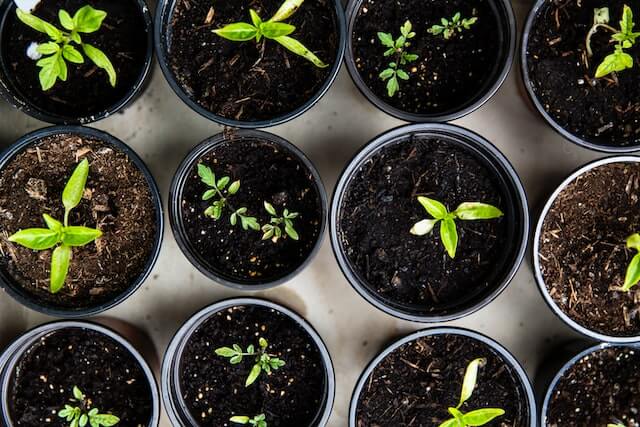
5 Easy Vegetables to Grow at Home in Pots
5 Easy Vegetables to Grow at Home in Pots
This post may include affiliate links where I might earn a commission, at no additional cost to you, should you go ahead and decide to buy anything off this post.
Have you ever tasted the difference between a store-bought tomato, and one you’ve grown at home yourself? It’s amazing!
No cold storage, no importing from other countries, no chemical pesticides, and you also don’t need to worry about food scarcity.
The great thing about these 5 easy vegetables to grow at home in pots, is that you can do it in just about any small space that you have. You don’t need lavish garden beds outside to grow yourself food.
You can simply grow them in containers.
And that is why container gardening is awesome! If your pot is big enough, and deep enough and you can add drainage holes, you can use just about ANYTHING to grow food plants in.
Give Your Plants a Head Start
Vegetables that are easy to grow, still need a few things to happen.
Remember that when growing in containers, plants rely almost 100% on you taking care of them… kind of like having a cat.
Important things you need to have in order to grow your own food are:
- The container
- The soil
- The water
- The light
- The food (or fertilizer)
Give your plants a head start by germinating them indoors, or with a cold frame. Doing this will let you know that are 100% organic, you can monitor their light requirements and start them off with strong stems.
If you have the space inside your home, some of these plants will do well as indoor plants, especially if they don’t need a lot of space, they have good soil, and get as much sunlight as they so that they can grow well.
Tools Needed
Below is a general list, and as I grow my own veggies, I will publish the posts and give you you all of the detailed information that you’ll need.
- Small containers for individual seedlings
- Large pot with good drainage
- Potting soil (NOT garden soil)
- Compost or castings that you can get from your own earthworm farm, or other organic matter suitable to your plants
- The right location for sun light
1. Beans
Beans are a very easy vegetable to grow at home and they grow pretty fast.
** There are a large variety of bean seeds available, so hop online and order a mixture to grow at home
If you set everything up correctly from the beginning, you won’t need to do much more except water it.
Ensure their pH of their soil is slightly acidic at around 6.0, and if you start off with a good, rich soil, they will pretty much take care of themselves as they can fix their own nitrogen in the soil.
There are a variety of beans that you can grow in containers:
- Green beans
- Runner beans
- Bush beans
- Broad beans
- Dwarf beans
- French beans
They are just hardy plants that will thrive even if you don’t have much time to maintain them.
2. Leafy Greens
Salad greens are easy to grow and can do well in partial shade.
You can plant them in containers outside your kitchen door so you can just pop outside when you need some for your meals, or grow them inside on your windowsill. The more creatives can even create a gorgeous wall of living greens, either inside, or outside, your house!
Even if you are growing them from lettuce seeds, you should be able to grow them with very little problems.
Keep an eye out for caterpillars and other pesky bugs who also like to eat lettuce leaves for dinner but most of these can just be handpicked off the plant.
The great thing about these green leafy plants is that most varieties are cut-and-come again types. This means that you cut the leaves you need and the lettuce plant will continue to grow.
This doesn’t last forever so you will need to plane more and practice succession planting to ensure there is always enough available.
In addition to lettuce, kale is another green plant that is so good for you… and if you’re like me and don’t really enjoy a bit of kale, you can also use the kale leaves in green smoothies. Or dry them out as healthy crisps.
3. Butternut & Pumpkin
Butternut and pumpkins, and all gourds actually, are some of the easiest vegetables to grow.
They germinate in approximately 7 days and develop a strong stem right from the start. If you plant them in early spring and allow enough space for them to grow, leave them to get full sun throughout the day and sooner than later you’ll be eating butternut soup for lunch.
One of the main things to do to get the best results is to give them enough of the most nutritious fertilizer at the right time because they are heavy feeders.
A great addition to an entrance way if the sunlight is right, is to build an arch and train your gourd plants to grow up and over the arch.
** Get your own butternut seeds
** Get your own pumpkin seeds
4. Peppers
This veggie goes by a variety of names. Sweet peppers, bell peppers, yellow peppers, green peppers, and red peppers.
These are the sweet peppers, so we’re not talking about chillies here. These peppers are not hot at all.
Top tip for new gardeners: If you leave green peppers on the plant, they will turn red and then eventually yellow (that’s why red and yellow peppers are more expensive then the green ones).
And, if you want to remove any bitterness, carefully cut away the white pith underneath the skin.
Sweet peppers and bell peppers have a long growing period. It’s best to start them off indoors and after five to six weeks, transplant the young plants into their pots.
These plants need at least 6 hours of sunlight every single day to thrive but as long as you water them, they should burst into little white flowers, which then turn into the peppers you can eventually pick as you need.
Pepper plants love plenty of sunlight, especially produce lots of fruit especially during their productive seasons when they are growing lots of fruit.
Peppers are heavy feeders so make sure that you start off with well-prepared soil. Work the soil three weeks before planting to ensure you have the correct pH balance.
** Also try out these chocolate peppers !
5. Radishes
Radishes are one of the fastest and most forgiving vegetables you can grow in containers, which makes them ideal for beginners and busy ladies.
They don’t need much space, grow happily in small pots, and give you quick results — often in just a few weeks. Because they mature so fast, they’re perfect if you want an easy win or something to grow, just for fun.
Radishes are also great for filling gaps in your container garden while slower-growing vegetables get established.
More Food Plants to Grow in Pots and Containers
For those who enjoy growing root vegetables, you can also try to grow the following, either in pots or in a raised bed that is deep enough:
- Onions
- Garlic (easy to grow, it just takes a long time)
- Beetroot from beet seeds
- Carrots from carrot seeds
- Potato plant (easier in a fabric pots)
There is a lot of satisfaction in picking food from your own vegetable garden. The vegetable varieties that you choose to grow should be the types of plants that your family enjoys eating, otherwise there isn’t really any point.
What vegetables are you interested in growing?
